LinkedIn Headshot Checklist: What to Wear, How to Pose, What to Avoid
Your LinkedIn photo is probably the first impression someone has of you online. Before they read a single word of your profile, they see your face. That tiny square image tells people whether you look confident, approachable, and professional. It can even influence whether someone clicks on your profile or keeps scrolling.
A great headshot can open doors. But a less polished one can send the wrong message entirely.
The good news is that you don’t need to overthink it. With the right preparation, posing, and wardrobe choices, you can walk into your headshot session feeling confident and leave with images that truly represent you at your best.
Here’s a detailed checklist on what to wear, how to pose, and what to avoid - based on the same process I use every day at my Studio for business professionals across Connecticut and New York.
What to wear for your LinkedIn headshot
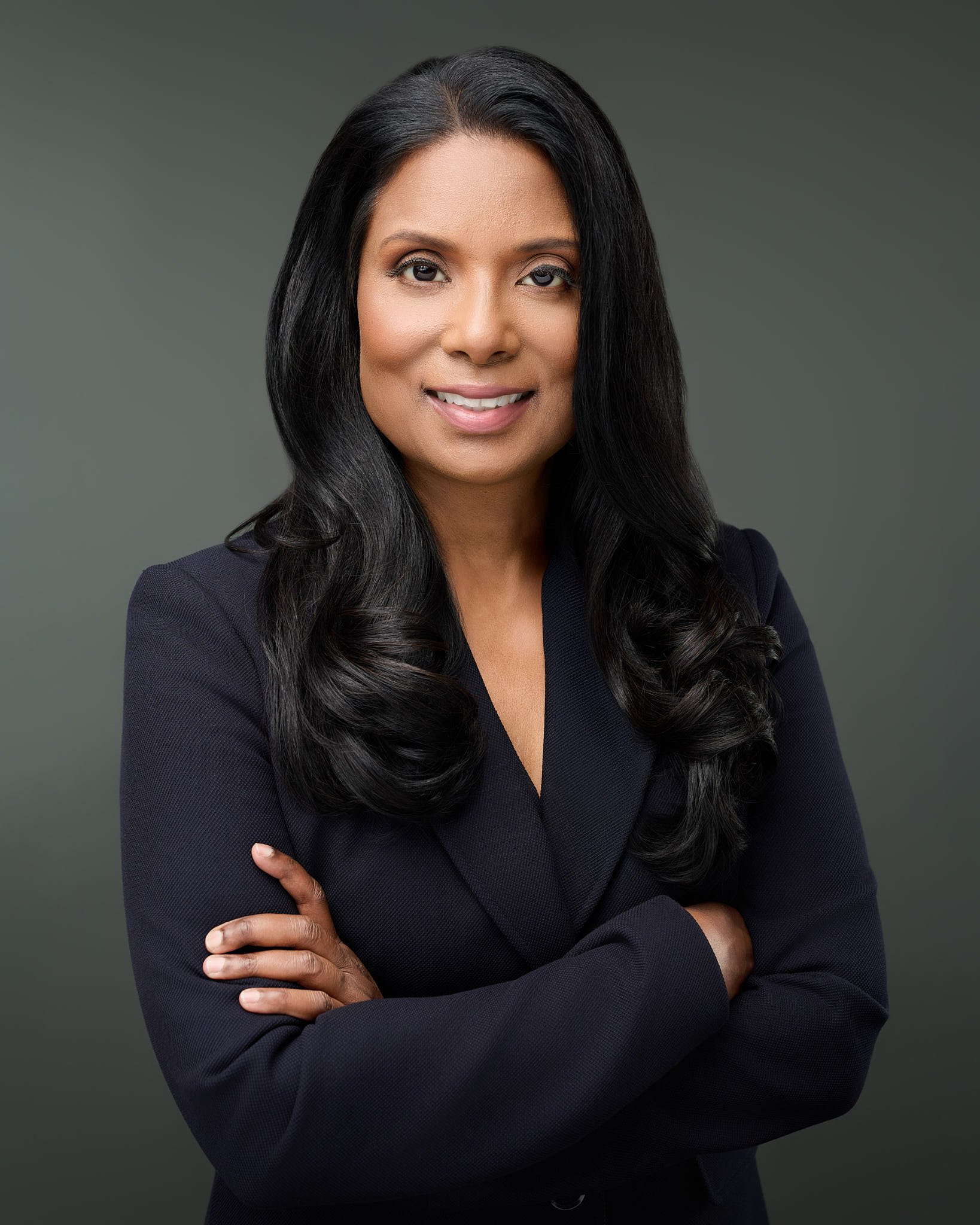
Clothes, aside from your expression, are probably the most important when it comes to creative a cohesive look. The goal is to look like the best version of yourself while staying true to your industry and personal style.
Start by thinking about your audience. If you work in finance or law, a more traditional look - structured jacket, collared shirt, or tailored blouse - will convey authority and trust. If you’re in a creative or tech field, a more relaxed but still polished outfit might feel right. Whatever you choose, it should feel authentic to you.
Here are a few simple guidelines that make a big difference…
Keep it simple and well-fitted.
Clothes that fit you properly always photograph better. Avoid oversized shirts or jackets that add bulk, because these will make you appear larger than you are (I know, I too find oversized clothes super comfortable! But they look bad in photos.). Stay clear of clothing that pulls or gaps when you sit or move your arms. I always recommend trying on your outfits in advance and sitting down in them to see how they feel. If a shirt is bunching up or there are lots of folds around your elbows, maybe choosing something else is better.
Stick with solid colors.
Loud patterns can be distracting on camera, especially tight stripes or busy prints. Solid colors will photograph cleanly and direct attention to your face. Neutrals like navy, charcoal, and soft gray are timeless, while jewel tones can add warmth and depth. And if you have a signature color, something that you wear often and that you feel looks good on you, wear that!
Bring a few options.
I always encourage clients to bring a few outfit choices so we can see which one works best. Sometimes a color that looks great in person reads differently on camera, so having a few backups makes it easy for us to adjust on-site without stress.
Avoid pure white near your face.
White shirts or blouses without a jacket can reflect light unevenly and wash out skin tones. If you love wearing white, pair it with a blazer or sweater in a contrasting color.. but also don’t freak out if white happens to be your signature color. I can often make just about anything work and outfits are truly unique to each person!
Keep jewelry minimal.
Choose subtle, classic pieces that complement rather than dominate. Avoid large statement necklaces or shiny earrings that might catch too much light or act like a mirror with weird reflections.
But above all, wear something that feels like you. If you’re uncomfortable or unsure in your outfit, it will often show up in your images. Confidence and comfort always photographs better than fashion.

How to pose naturally
One of the most common worries clients share before a headshot session is, “I don’t know how to pose.” That’s completely normal - and honestly, you shouldn’t have to know. It’s my job to direct you so you look confident and natural on camera.
That said, a few tips can help you feel more prepared and relaxed before your session…
Start with posture.
Good posture communicates confidence, but it doesn’t mean standing stiffly. Sit or stand tall, roll your shoulders back slightly, and imagine a string gently lifting the top of your head. That small adjustment instantly sharpens your appearance and opens your body language. And once you’re nice and tall, remember to relax your shoulders (they shouldn’t be that close to your ears!).
Lean slightly toward the camera.
It might sound a bit weird, but a subtle forward lean creates a sense of connection. When people lean back, it can read as distant or disengaged. Leaning in by just an inch or two adds warmth and approachability. This move will also slightly increase the size of your head and decrease the size of your stomach on camera, and who doesn’t want that!
Keep your hands relaxed.
If your session includes half-body or three-quarter images, avoid hiding your hands completely. Rest them naturally - on your lap, crossed gently, or at your sides. We hold tension in our hands, so fidgeting or gripping your hands can make you look tense, sometimes even if they aren’t even in the photo.
Breathe between shots.
This one makes a big difference. Take a small breath and reset between poses. It helps relax your shoulders and softens your expression, keeping your photos fresh and natural. I’ll often remind my clients to breather because we all forget to do it when we’re concentrating!
Facial expressions that work best
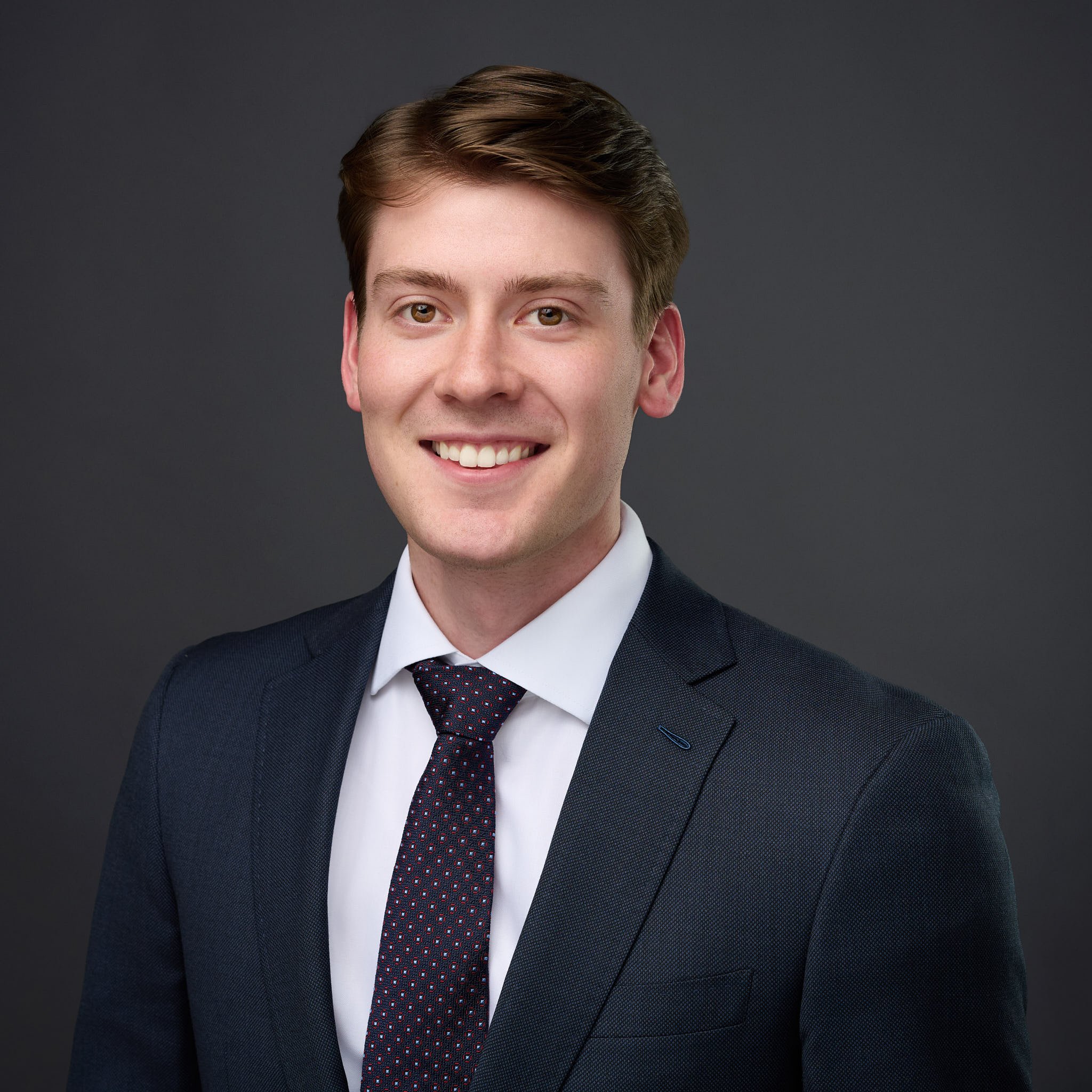
Your facial expression sets the tone for your entire headshot. People often assume they need a big smile, but that’s not always true. What matters most is that your expression feels genuine to who you are.
For LinkedIn, the ideal expression strikes a balance between confidence and approachability. A soft, natural smile with engaged eyes is usually the sweet spot. Think of it as the expression you’d have when meeting a new colleague or greeting a client you like. But if you’re a very smily person, don’t be afraid to have a big smile! It’s always better to have a natural expression than one’s that’s “posed”.
If smiling feels forced, try thinking of something that genuinely makes you happy or proud. Real emotion reads beautifully on camera. You can also try a few variations - from relaxed and neutral to a friendly smile - so you have options that fit different uses, from formal to casual.

What to avoid
A few simple mistakes can hold your headshot back from looking truly professional. Here’s what to skip..
Distracting patterns and logos.
Even small patterns or shiny fabrics can create visual noise that pulls attention away from your face. Logos or branded graphics are best avoided unless they’re part of your company’s image.
Heavy makeup or hair products.
Makeup should enhance, not transform. Stick with natural tones and matte finishes to avoid shine under the lights. For hair, light styling works best - too much product can make it appear stiff or unnatural. My philosophy is that you should look like the best version of your every-day in your headshot.. so if you don’t usually wear lots of makeup, don’t feel the need to do something drastically different for your headshot.
Uneven grooming.
A quick check before your session helps avoid last-minute distractions. Smooth collars, lint-free jackets, and neat facial hair all make a difference. I keep a lint roller, mirror, and styling tools handy in the Studio for final touches and always make sure to take a few minutes for this check before a client steps in front of the camera. It seems like a small thing, but it’s makes a huge difference!
Poorly chosen backgrounds.
If you’re taking photos on your own or outdoors, watch for distracting backgrounds. Trees, signs, or harsh sunlight can compete with your face. In a professional Studio, I choose backgrounds that complement the skin tone and wardrobe, keeping the focus where it belongs - on the person being photographed.
Outdated photos.
Finally, make sure your LinkedIn headshot looks like you today. Using an old photo can create confusion or feel inconsistent with your current professional image. Updating every two to three years (or more frequently if there are weight or hair style changes!) keeps your online presence fresh and accurate.
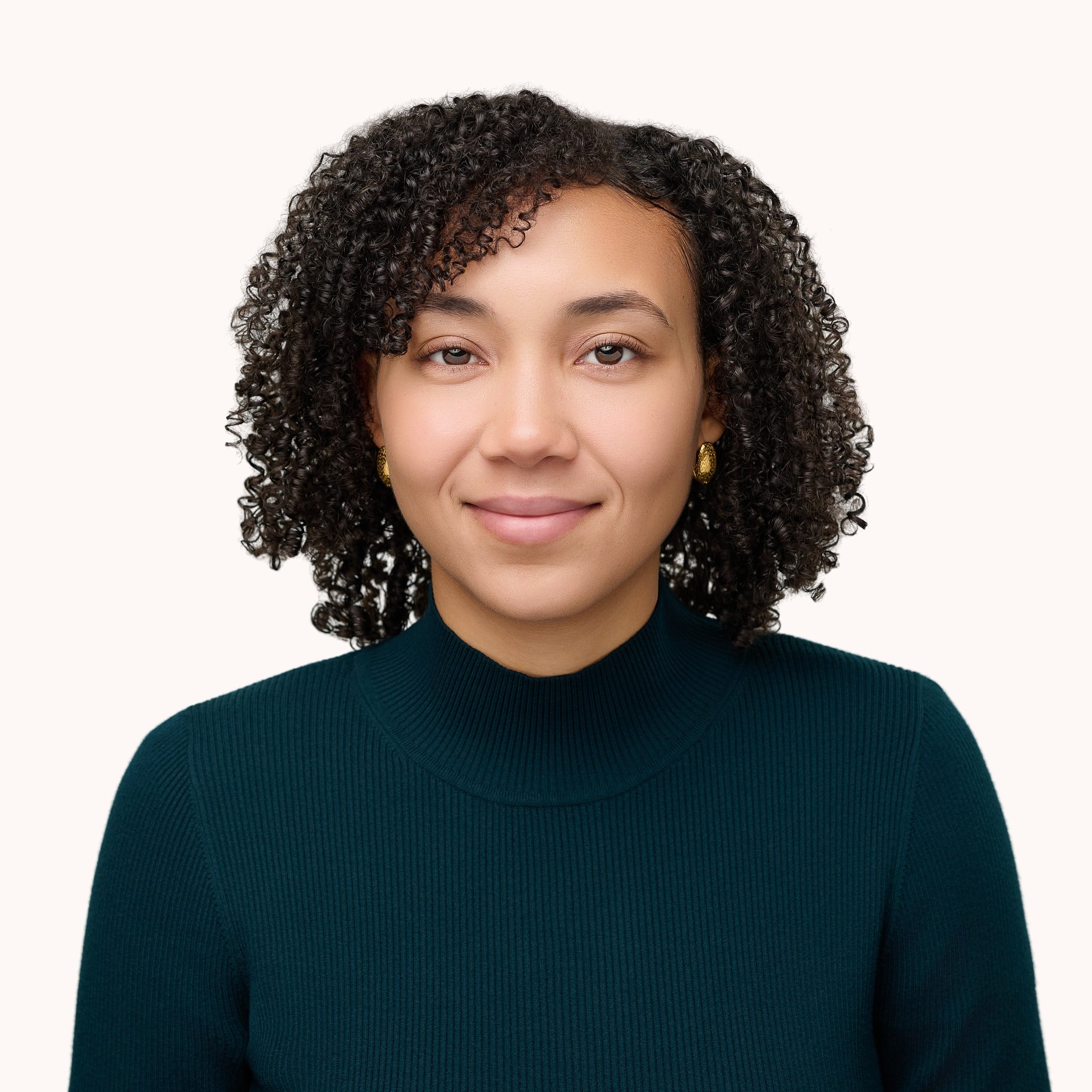
A polished LinkedIn headshot doesn’t need to feel staged or stressful. It should look natural, confident, and aligned with the career you’re building. By preparing your wardrobe, relaxing into authentic poses, and avoiding common distractions, you’ll walk away with photos that help you stand out in all the right ways.
And when you’re ready to update your image, a professional photo session can make it completely effortless. You’ll have expert guidance from start to finish, see your results immediately, and leave with a photo that makes your first impression count - every single time.